| Link to Edit Entry | Edit Entry |
|---|---|
| Station Lead Name | Julian Varas Cohen |
| Station Contact Name | Julian Varas Cohen |
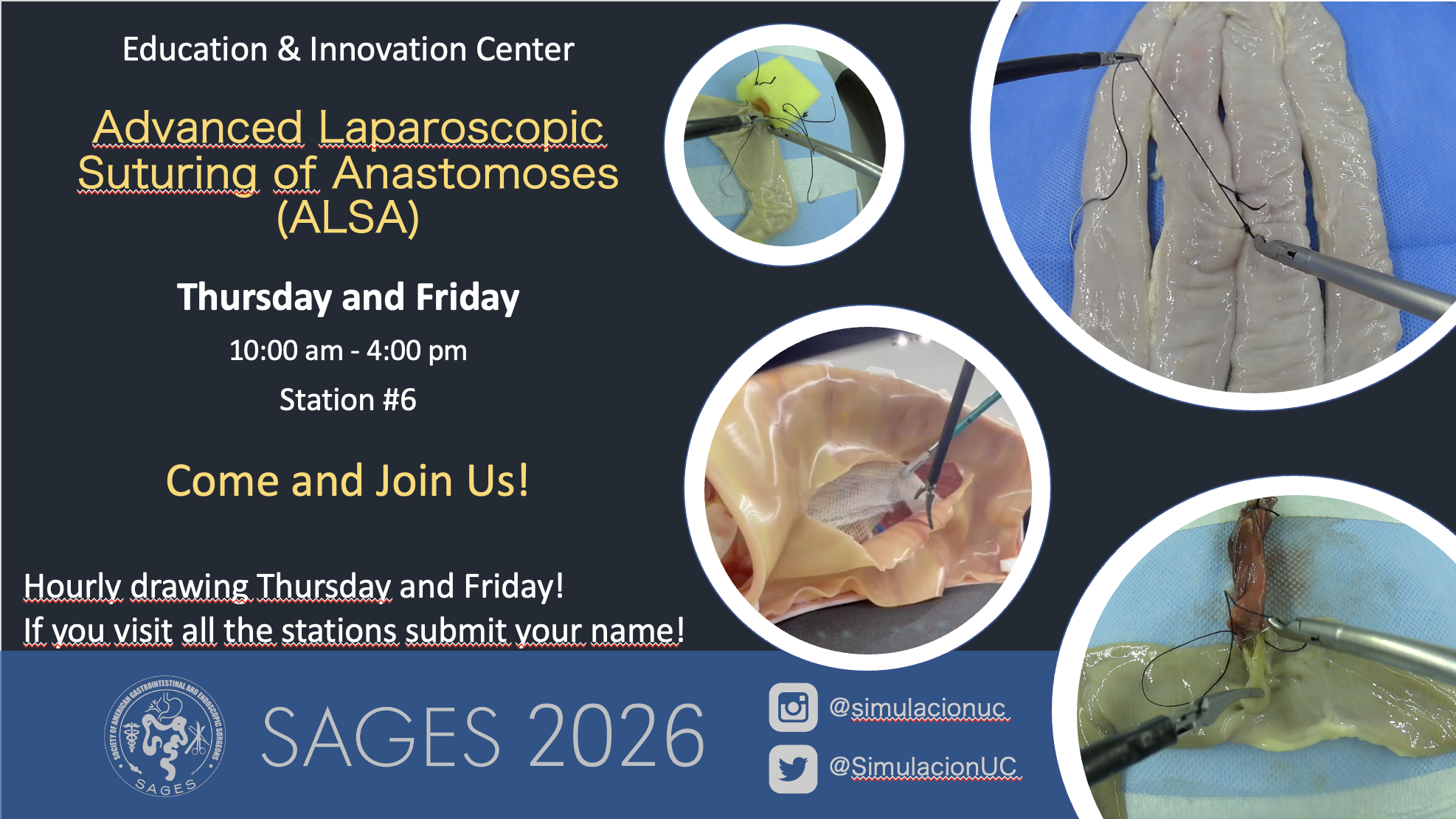
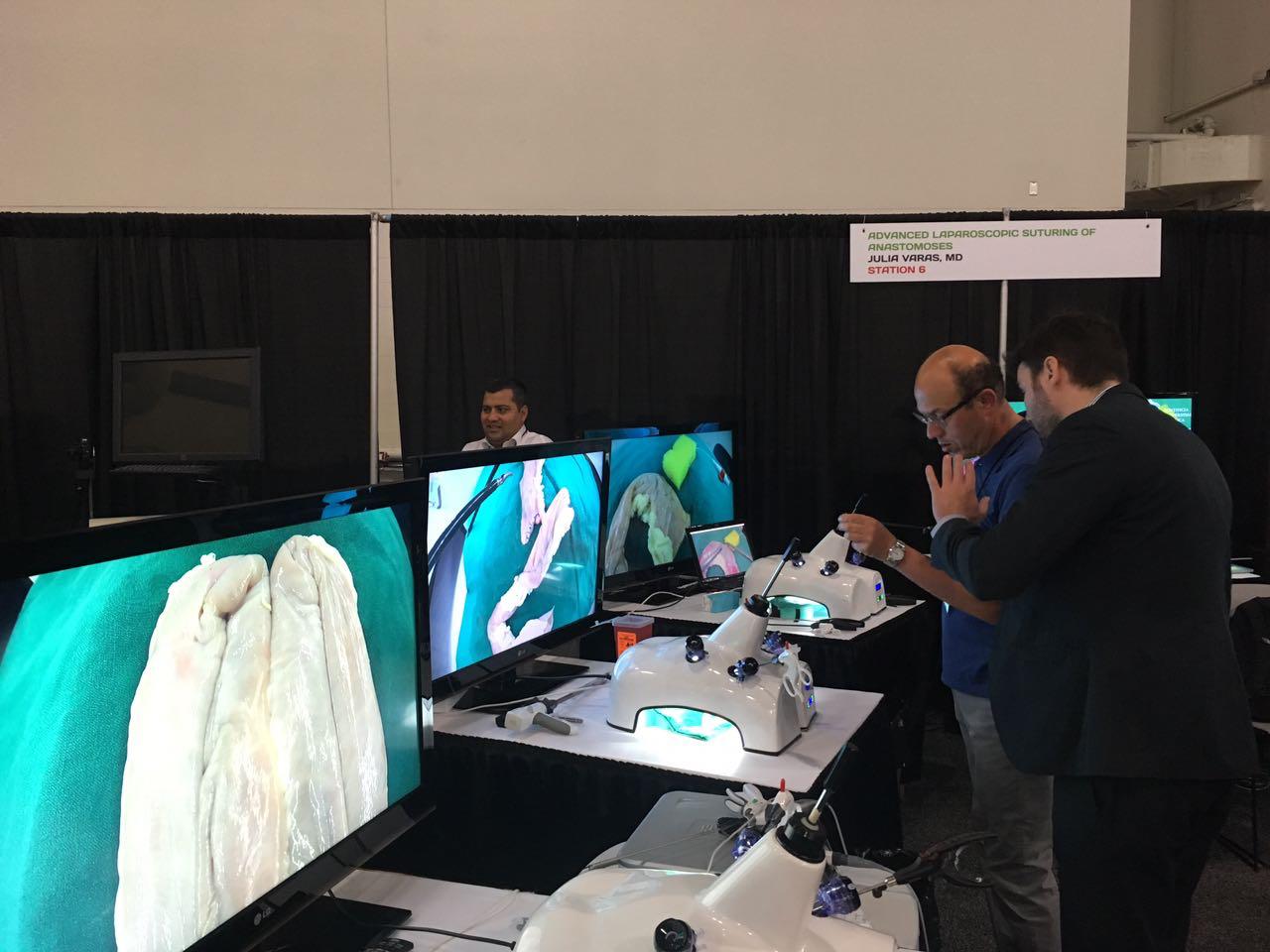
| Station Name | Advanced Laparoscopic Suturing of Anastomoses (ALSA) |
| Please upload photos or drawings of your station floor plan. | |
| Do you have any Industry/Vendor Support for your station? | We do not have any industry/Vendor support |
| Please select one option | YES, Our station will require laparoscopic/robotic equipment from Industry |
| How does your station benefit the SAGES membership? | The station offers participants the chance to acquire and refine one of the most complex and critical technical skills in advanced laparoscopic surgery, while also understanding the importance of educational feedback for advanced procedures; e.g., intracorporeal hand-sewn entero–entero anastomosis. This competency demands a precise combination of psychomotor abilities, bimanual coordination, spatial orientation, suture control, and intraoperative decision-making, making it an essential formative milestone in the development of the advanced laparoscopic surgeon. The simulated environment offers a safe, structured, and controlled setting that enables the deliberate practice and mastery learning of the technique, promoting the progressive acquisition of the skill without risk to patients. Each participant can repeat the task multiple times, focusing on specific aspects of performance until achieving an optimal level of execution. This process of repetitive practice with defined objectives is supported by evidence demonstrating its high effectiveness in achieving real transfer to clinical performance. During the activity, expert Instructors provide real-time feedback by observing performance and delivering specific, objective, and improvement-oriented comments. This formative feedback helps identify technical errors or inefficiencies in movement, reinforce correct behaviors, and foster reflection on one’s own performance, resulting in meaningful and self-regulated learning. Furthermore, the station promotes the integration of cognitive and technical skills, by requiring anatomical reasoning and surgical judgment throughout the execution of the procedure. |
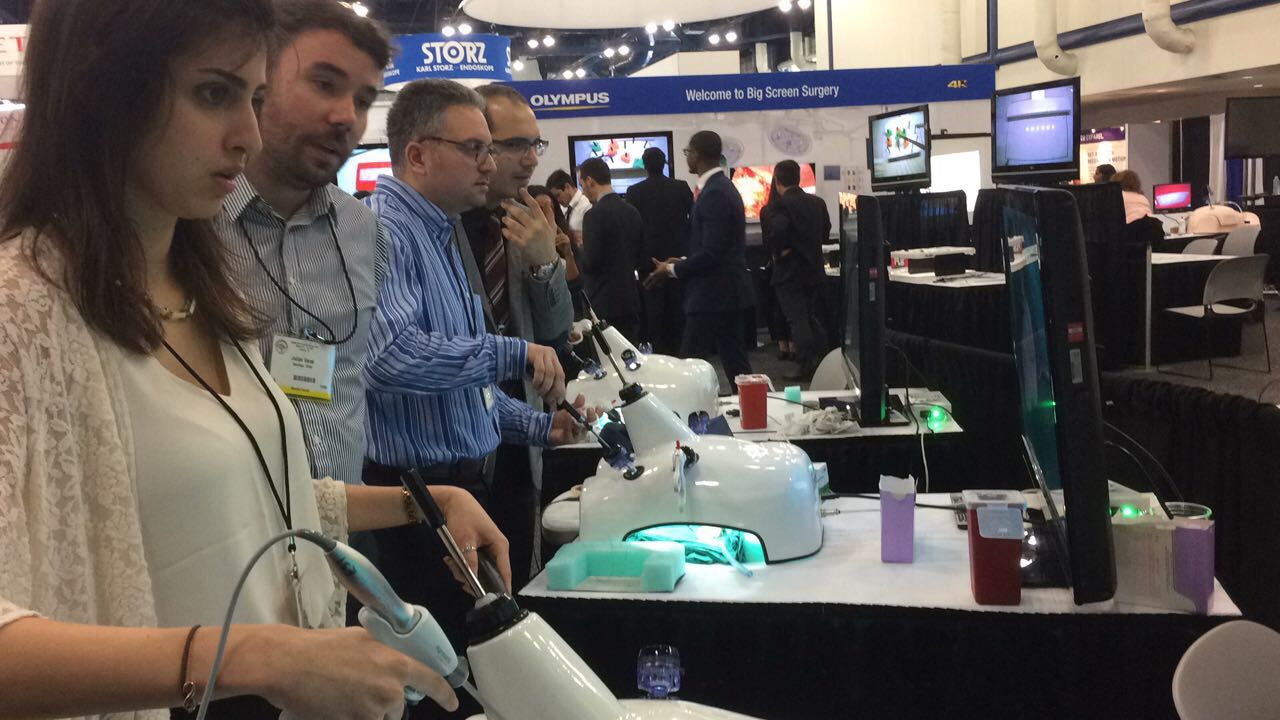
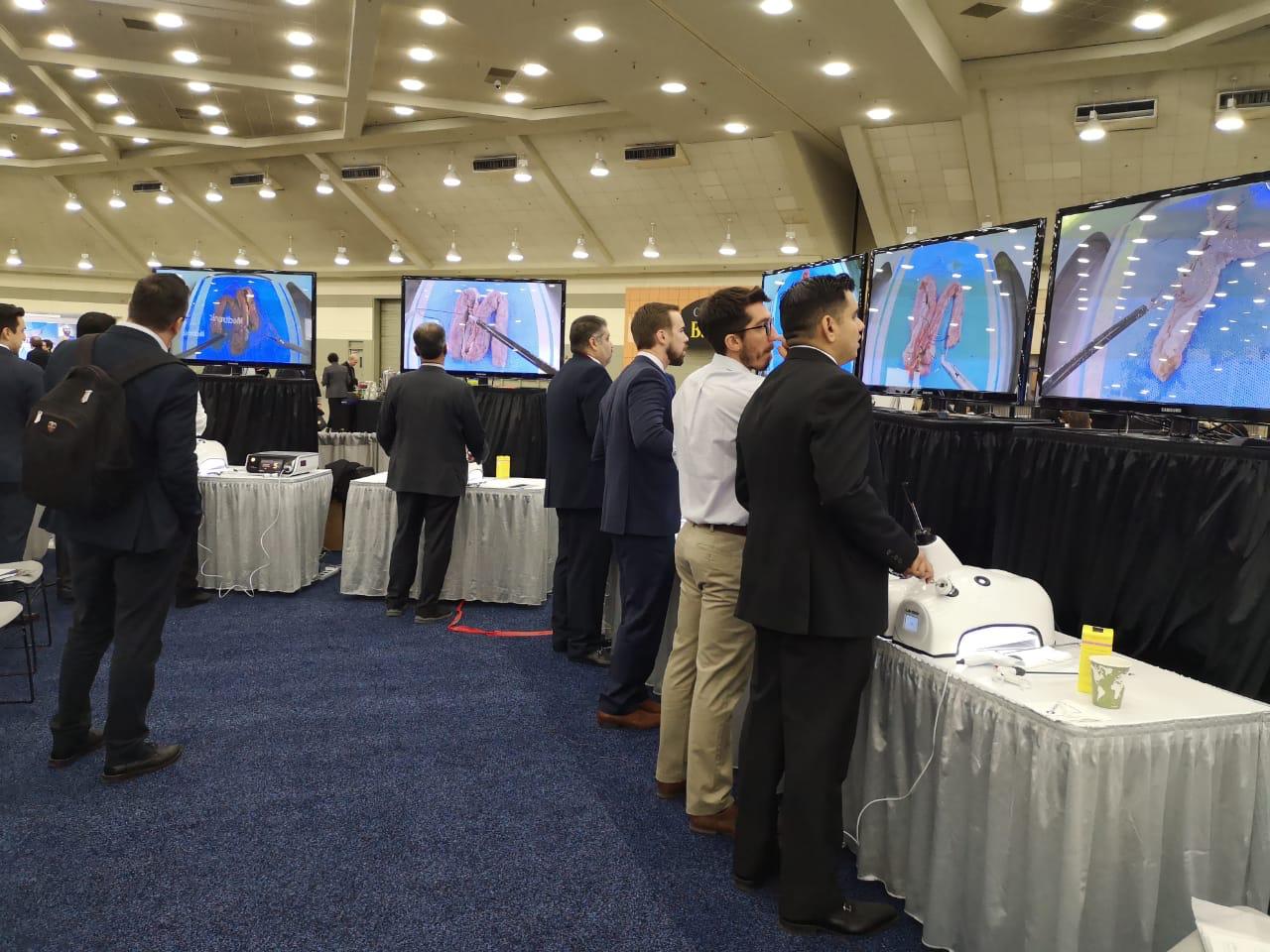
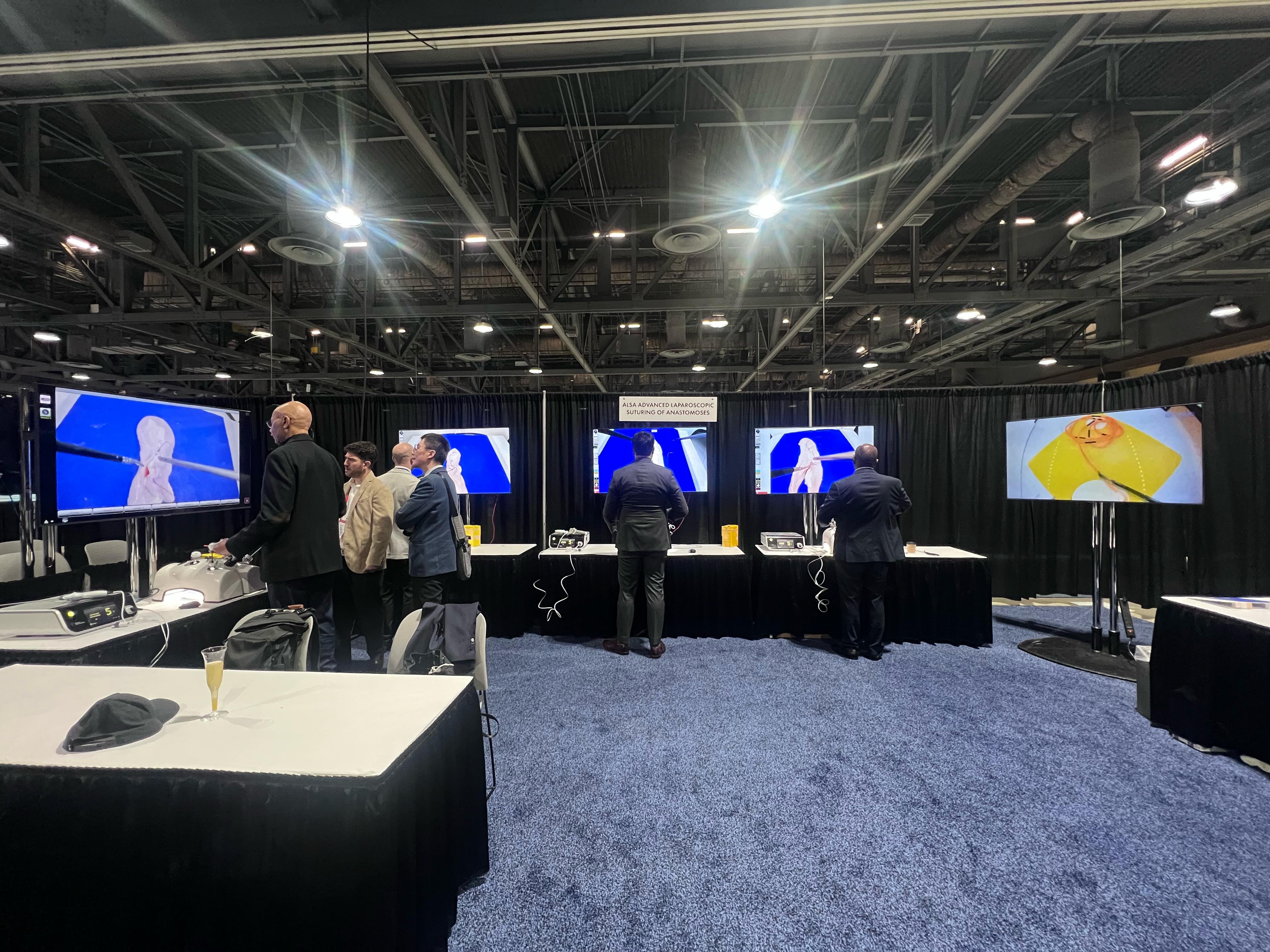
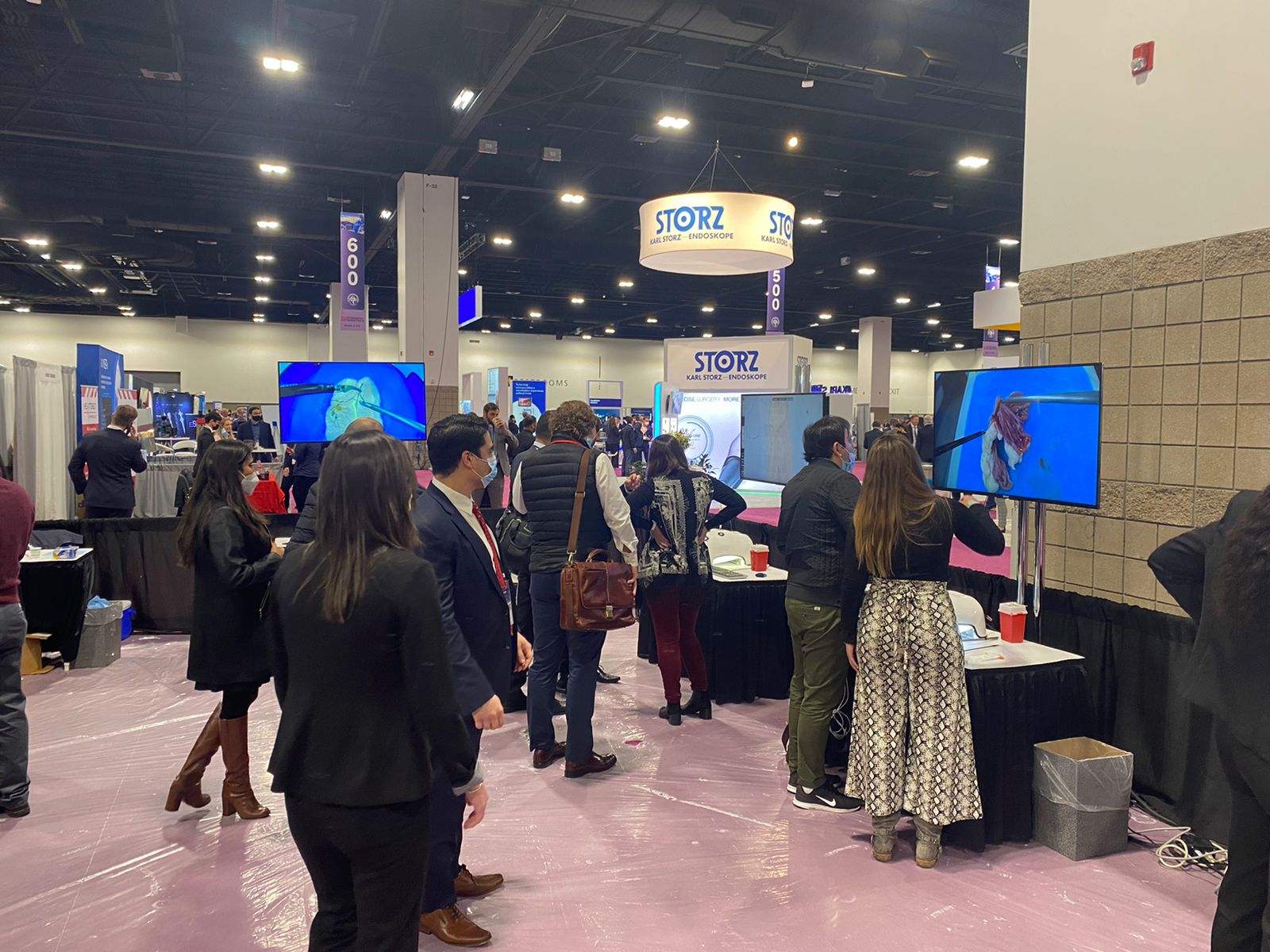
| Explain, in detail, what the hands-on components of your station will be | The station is based on the use of a simulator that replicates the abdominal cavity and the ergonomic conditions of advanced laparoscopic surgery. In this environment, participants work with ex vivo tissue, specifically standardized segments of animal intestine, allowing controlled practice of enterotomies and the subsequent performance of a complete intracorporeal hand-sewn entero–entero anastomosis. The simulator consists of a box trainer equipped with a laparoscopic camera, light source, and working ports arranged in a triangulated configuration, accurately reproducing the spatial orientation and constraints of the operating field. Participants use standard surgical instruments, atraumatic graspers, laparoscopic needle holders, scissors, Maryland dissector, along with energy devices. Multifilament sutures are used. Trainees begin with atraumatic tissue handling, intracorporeal suturing, and needle control exercises, then advance to the creation of enterotomies using scissors or energy devices, ensuring viable edges and adequate hemostasis. In the final phase, participants perform the intracorporeal anastomosis and completing the posterior and anterior layers with continuous or interrupted sutures, achieving a regular, everted, and watertight suture line. A leak test with saline or methylene blue is also performed to verify closure integrity and luminal patency, complemented by objective metrics such as operative time, technical errors, and need for corrections. Throughout the session, participants receive real-time feedback from expert surgeons, who observe performance and provide immediate, specific, and improvement-oriented comments. At the end, a structured debriefing reinforces key learning points, highlights strengths, and identifies strategies for further deliberate practice. The station complies with strict biosafety protocols, ensuring proper handling and disposal of biological tissue, cleaning of instruments, and use of personal protective equipment. Altogether, this activity provides a controlled, safe, and standardized environment that supports deliberate practice. |
| Explain the innovative and/or novel approaches incorporated into your station | The station integrates innovative approaches in both its pedagogical design and its teaching and assessment methodology, aimed at optimizing the acquisition of complex surgical skills through deliberate practice and expert feedback. The first innovative element is the incorporation of a competency-based and structured deliberate practice model, which allows participants to progress through cycles of execution, feedback, and repetition directed toward specific performance criteria. This approach moves beyond traditional observational learning, fostering active, autonomous, and measurable skill acquisition, supported by strong evidence in surgical education. Secondly, the station employs standardized ex vivo tissue within an advanced laparoscopic simulation environment, combining technical realism with safety. This setup enables participants to perform a complete intracorporeal hand-sewn entero–entero anastomosis under controlled conditions, ensuring authentic practice without patient risk. The use of biological tissue provides realistic tactile feedback and tissue resistance, enhancing the transfer of skills to the operating room. In addition, the station incorporates a real-time feedback system, where experts observe performance and provide immediate, specific, and improvement-oriented comments. This process is complemented by a structured debriefing, encouraging critical reflection and self-regulated learning, and promoting awareness of one’s own technical and cognitive progress. Finally, the station emphasizes high cognitive fidelity, integrating not only technical dexterity but also anatomical reasoning. Overall, this educational design constitutes an innovative, evidence-based and performance-centered learning experience, focused on effective skill transfer and the comprehensive development of the advanced laparoscopic surgeon. |
| Are there any sponsoring and/or related SAGES committees involved with your station? | No, there are no sponsoring or related SAGES committees involved with this station. |
| Workflow Step | Staff review |
| Approval Status | Approved |

SAGES 2026 Annual Meeting
March 25-28, 2026 in Tampa, Florida